Ancient Times
Halloween Begins as Samhain
Ancient Celts, who lived 2,000 years ago in the area that is now Ireland, the United
Kingdom and northern France, marked Samhain at the midpoint between the fall equinox and the winter
solstice. During this time of year, hearth fires in family homes were left to burn out while the harvest
was gathered. After the harvest work was complete, celebrants joined with Druid priests to light massive
bonfires and pray.
Celts believed that the barrier between the physical and spirit worlds was
breachable during Samhain. It was expected that ancestors might cross over during this time as well, and
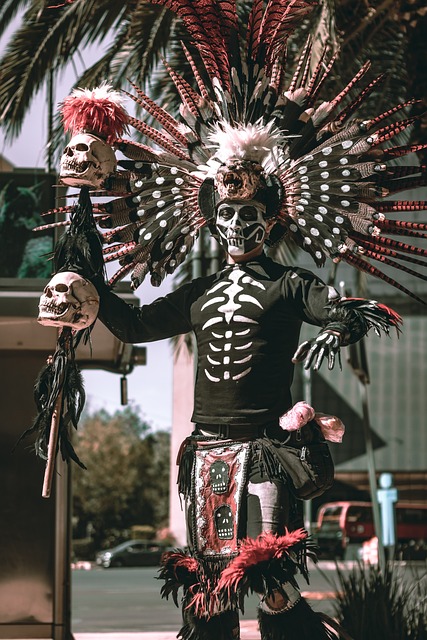
Celts would dress as animals and monsters so that fairies were not tempted to kidnap them.
10th Century
Samhain Is Christianized
In the 7th century, the Catholic Church established November 1 as All Saints' Day, a day
commemorating all the saints of the church. By the 9th century, the influence of Christianity had spread
into Celtic lands, where it gradually blended with and supplanted older Celtic rites. In 1000 A.D., the
church made November 2 All Souls’ Day, a day to honor the dead. It’s widely believed today that the
church was attempting to replace the Celtic festival of the dead with a related, church-sanctioned
holiday.
The All Saints’ Day celebration was also called All-hallows or All-hallowmas (from
Middle English Alholowmesse meaning All Saints’ Day) and the night before it, the traditional night of
Samhain in the Celtic religion, began to be called All-Hallows Eve and, eventually, Halloween. Over many
centuries, the three holidays—All Saints’ Day, All Souls' Day and Samhain—essentially merged into one:
Halloween. (The Catholic Church still recognizes All Saints’ Day and All Souls' Day today, and some
Wiccans and Celtic Reconstructionists commemorate Samhain.)
The Middles Ages
Trick-or-Treating Emerges
In England and Ireland during All Saints' Day and All Souls' Day celebrations, poor people
would visit the houses of wealthier families and receive pastries called soul cakes in exchange for a
promise to pray for the souls of the homeowners’ dead relatives. Known as "souling," the practice was
later taken up by children, who would go from door to door asking for gifts such as food, money and
ale—an early form of trick-or-treating.
19th Century
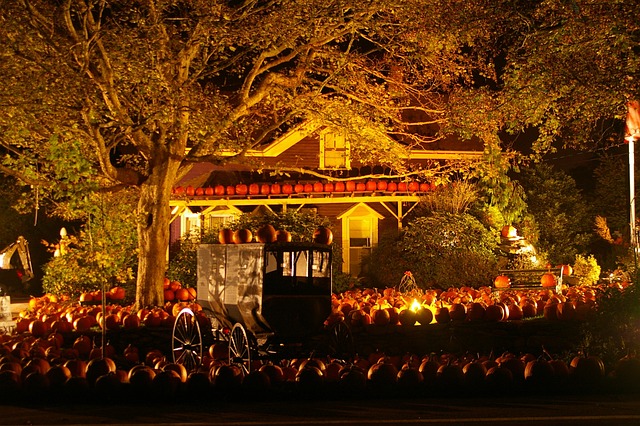
Jack-o-Lanterns Take Shape
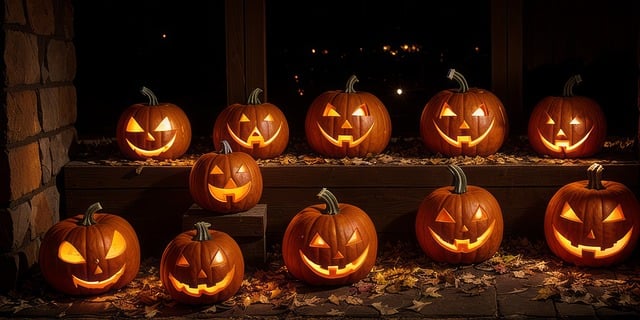
The practice of carving faces into vegetables became associated with Halloween in Ireland
and Scotland around the 1800s. Jack-o-lanterns originated from an Irish myth about a man nicknamed
“Stingy Jack,” who tricked the Devil and was forced to roam the earth with only a burning coal in a
turnip to light his way. People began to make their own versions of Jack’s lanterns by carving scary
faces into turnips or potatoes and placing them into windows or near doors to frighten away Stingy Jack
and other wandering evil spirits.
(Mid-) 19th Century
Halloween Comes to America
With the exception of Catholic-dominated Maryland and some other southern colonies,
Halloween celebrations were extremely limited in early America, which was largely Protestant. It wasn't
until the mid-19th century that new immigrants—especially the millions of Irish fleeing the Irish Potato
Famine—helped popularize the celebration nationally.
These immigrants celebrated as they did back
in their homelands—especially by pulling pranks. In the late 1800s, common Halloween tricks included
placing farmers’ wagons and livestock on barn roofs, uprooting vegetables in backyard gardens and
tipping over outhouses. By the early 20th century, vandalism, physical assaults and sporadic acts of
violence were not uncommon on Halloween.
1930s
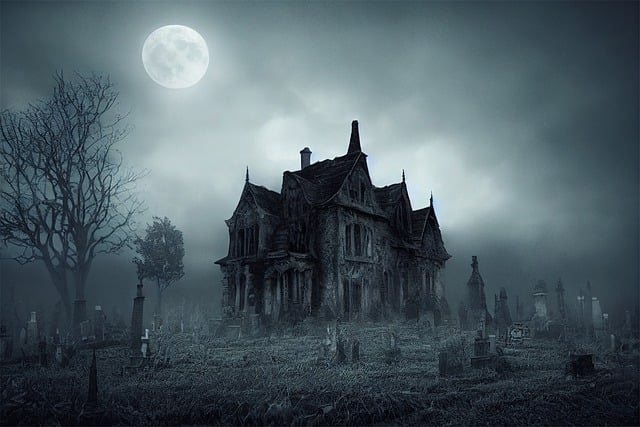
Haunted Houses Become Popular
Haunted or spooky public attractions already had some precedent in Europe. Starting in the
1800s, Marie Tussaud’s wax museum in London featured a “Chamber of Horrors” with decapitated figures
from the French Revolution. In 1915, a British amusement ride manufacturer created an early haunted
house, complete with dim lights, shaking floors and demonic screams.
In the U.S., the Great
Depression kickstarted the trend. By then, violence around Halloween—no doubt exacerbated by the dire
economic conditions—had reached new highs. Parents, concerned about their children running amok on All
Hallows' Eve, organized “haunted houses” or “trails” to keep them off the streets.
1950s
Halloween Costumes Go Mainstream
Costumes and disguises have figured into Halloween celebrations since the holiday's
earliest days. But it wasn't until the mid-20th century that costumes started to look like what we know
them as today.
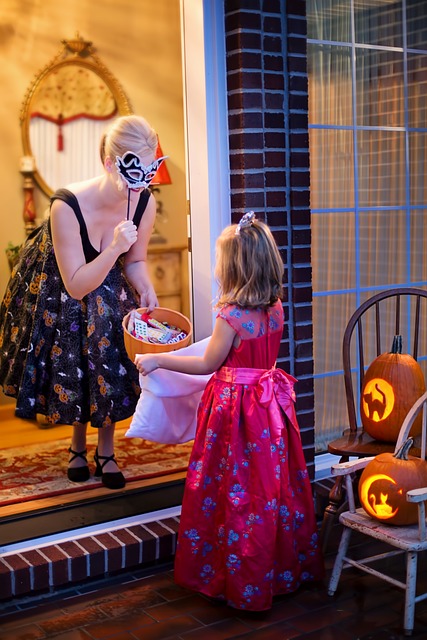
Around the same time neighborhoods began organizing activities such as haunted
houses to keep kids safe and occupied, costumes became more important (and less abstract and scary).
They began to take the form of things children would have seen and enjoyed, like characters from popular
radio shows, comics and movies. In the 1950s, mass-produced box costumes became more affordable, so more
kids began to use them to dress up as princesses, mummies, clowns or more specific characters like
Batman and Frankenstein’s monster.
1980s
Poisoned Candy Paranoia
While in general the fears about poisoned Halloween candy have been overblown, crimes
involving poison have occurred. The most infamous case took place on October 31, 1974. That’s when a
Texas man named Ronald O’Bryan gave cyanide-laced pixie sticks to five children, including his son. The
other children never ate the candy, but his eight-year-old son, Timothy, did—and died soon after.
The paranoia reached new heights in the early 1980s after a rash of Tylenol poisonings in which
cyanide-laced acetaminophen was placed on store shelves and sold. After the Tylenol murders, which are
still unsolved, warnings about adulterated Halloween candy increased.